

Minefield
A fun activity that helps participants working together as a team while teaching the importance of communication, strategy and trust.

As a leader or manager in a large organization, you probably have a sense of the culture and people challenges facing you, but at the same time, you must also manage not only down but up and across the organization.
Culture Mapping gives you the intelligent information you require to make a business case for the interventions, executive support, and budget you will need to minimize risk and maximize the chances of success for your change initiative.
What made success possible? In less than one hour, a group of any size can generate the list of conditions that are essential for its success. You can liberate spontaneous momentum and insights for positive change from within the organization as “hidden” success stories are revealed. Positive movement is sparked by the search for what works now and by uncovering the root causes that make success possible.
This activity helps people ease in a group and brings out their creativity without a lot of effort.

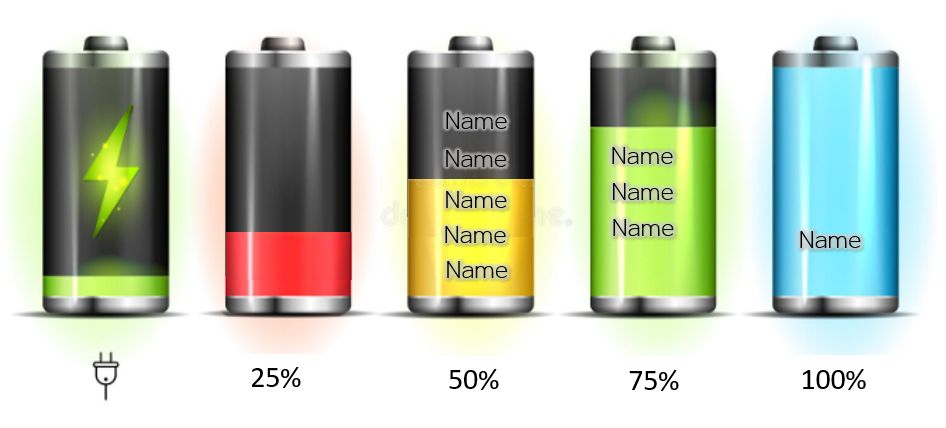
Battery Check ... How are YOU?

A rapid game of name learning with probably a lot of funny moments. Besides it teaches particiapants how to communicate and strategize in an effective way without being explicit about these goals.
This activity can serve multiple purposes. It can be used as an energiser or ice breaker for groups that a bit low on energy or first meet each other. Another purpose of the game could be enhance teamwork and show that different people with different beats can make an orchestra.
Participants work individually, thinking about three teams and the behaviors of desirable teammates and undesirable teammates. Later, they work with a partner (and still later, in teams) to prepare a list of dos and don'ts for being a desirable teammate.

This exercise can be used as a warm-up for project and other planning processes. It can also be used in team building.
The Circle of Trust is a tool that can be used both individually and for groups. You can rate your circle of trust - think of your ‘inner circle’; work, school, or another group - to see how diverse the group of people you trust is.
The objectives are to build group member relationships through verbal and nonverbal cue-sensing and effective adaptation to others' displayed emotions through entertaining and nonthreatening skits.