Draw the problem
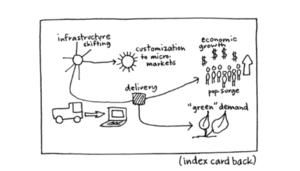
Problems that are vague or misunderstood have a harder time passing our internal tests of what matters and, as a result, go unaddressed and unsolved. Often, meetings that address problem-solving skip this critical step: defining the problem in a way that is not only clear but also compelling enough to make people care about solving it.

Goal
To define the problem the meeting is set to solve in a picture format.
Materials
Instructions
Flow
1. Each participant should have a large index card or letter-sized piece of paper. After introducing the topic of the meeting, ask the participants to think about the problem they are here to solve. As they do so, ask them to write a list of items helping to explain the problem. For example, they may think about a “day in the life” of the problem or an item that represents the problem as a whole.
2. After a few minutes of this thinking and reflection, ask the participants to flip over their paper and draw a picture of the problem, as they would explain it to a peer. They may draw a simple diagram or something more metaphorical; there are no prizes or punishments for good or bad artistry. The drawing should simply assist in explaining the problem.
3. When everyone is finished, have the participants post their drawings on the wall and explain them to each other. While the group shares, note any common elements. After the exercise, the group should reflect on the similarities and differences, and work toward a shared understanding of what the problem looks like to each other.
Attachments
- draw the problem.PNG
- Draw the problem cover.PNG
Background
The Draw the Problem game is credited to James Macanufo.
Source: Gamestroming